Handcrafted to Order by Expert Florists
|Same-Day Delivery — Order by 2pm
|4.9 ⭐ from 290+ Reviews
Seasonal Bouquet
Seasonal Flower Bouquet
Product Details
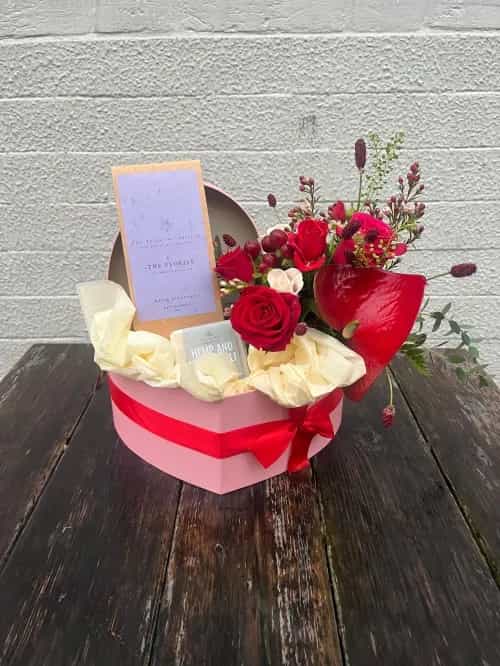
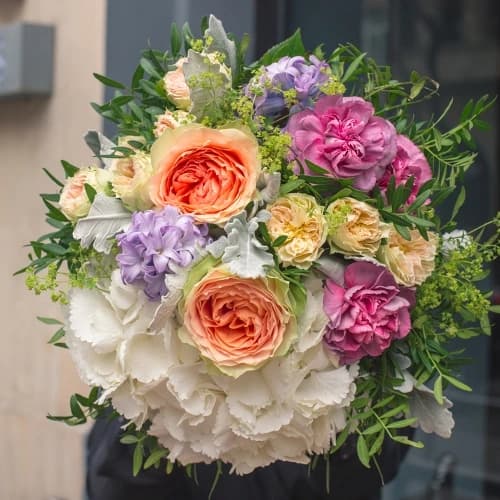
Seasonal Flower Bouquet A bouquet built from whatever is in best condition at the time it's made. The flowers change as the season moves — tulips and daffodils in early spring, peonies and sweet peas later in the season, then dahlias and sunflowers through summer, followed by chrysanthemums and warm foliage through autumn, and amaryllis and white roses in winter. The florists choose from what's freshest on the day rather than from a fixed list. Order in March and again in October and you'll receive something quite different — same quality, completely different palette. Why it matters that flowers are in season A flower grown in its natural season is in genuinely better condition than the same flower produced out of season. A May peony has fuller petals, stronger stems, and lasts longer in water than a December peony. That's not a marketing point — it's just how plants work when they're grown in the conditions they're suited to. It also means the bouquet reflects the actual time of year, which is harder to describe but immediately noticeable. Spring flowers in spring, with their specific colours and textures and the particular fragrance of hyacinths or narcissi — these carry something that a fixed all-year bouquet in similar colours doesn't. Autumn arrangements with seed heads and berries and warm foliage feel specific to the moment in a way that's one of the things people most often mention when they receive one. What each season looks like Spring runs from late February through May and expands rapidly. Daffodils and tulips arrive first, then ranunculus and hyacinths, then peonies and sweet peas as the season matures. The palette is fresh and soft — pinks, yellows, lilac, white, and new green. It's the most varied season for cut flowers. Summer brings more visual weight. Dahlias, sunflowers, zinnias, and hydrangeas work in warm yellows and saturated jewel tones. Garden roses are at their best in June and July — fully open, fragrant, with petals that hold their shape in ways they don't at other times of year. The arrangements are full and warm. Autumn is the most distinctive season in floristry. The palette of burnt orange, deep red, warm gold, and bronze doesn't look like any other time of year. Chrysanthemums, celosia, and hypericum berries carry it forward, and changing foliage and seed heads add texture that fresh flowers alone can't replicate. Many customers who subscribe to a regular arrangement find autumn the most interesting season for it. Winter is quieter. Whites, silvers, deep greens, and occasional strong reds from amaryllis and winter roses. Eucalyptus, pine, and cedar add fragrance and structure. The limited palette is easier to make cohesive, and winter arrangements often have a clarity to them that the fuller summer arrangements don't. Who it suits Regular flower buyers who want variety rather than the same thing each time. People who appreciate a gift that reflects what's actually happening in the season rather than a generic option. Subscription customers — a fortnightly or monthly seasonal bouquet means the home or office always has something fresh, and it never looks exactly the same twice. It also suits occasions where you want something that feels considered without being specific to one type of event. A seasonal bouquet works for birthdays, anniversaries, thank-yous, new home gifts, corporate deliveries, and general gifting — the varying palette means it doesn't read as occasion-specific in the way a red rose bouquet or a very bright birthday arrangement does. Colour preferences If you have a palette in mind — soft and pale, warm and saturated, white and green only — note it when ordering. The florists will work within the seasonal selection to match it where availability allows. Specific flower preferences can also be noted. Delivery Same-day delivery when ordered by 2pm. Scheduled delivery for a chosen date. Seasonal wrapping and a message card are included with every order. The bouquet is arranged on the day of delivery. Care Trim the stems at a 45-degree angle when the bouquet arrives. Place in clean, cool water and remove any leaves below the waterline. Change the water every two to three days with added flower food. Keep away from direct sun, radiators, and fruit. Re-trim the stems midweek for a longer lifespan. Most seasonal arrangements last seven to ten days. The specific flowers in any given bouquet affect this — some hold longer than others, and the florists can advise on what to expect with the current selection. FAQ What flowers are in the bouquet? It depends on the season and the week. The florists choose from what's in best condition on the day — the seasonal highlights section above gives a guide to what's typical at different times of year. The palette and character of the arrangement changes with the season. Can I request specific flowers or colours? Yes — note preferences when ordering. The florists will work with them within what's seasonally available. Specific requests can't be guaranteed but are usually accommodated. Why is a seasonal bouquet better than a fixed arrangement? Flowers in season are in better condition — stronger stems, fuller blooms, longer vase life — than flowers grown or shipped out of season. The bouquet also reflects the actual time of year, which is noticeable in ways that are difficult to replicate with a year-round fixed product. How long will it last? Around seven to ten days with clean water, trimmed stems, and reasonable conditions. The specific flowers in any given arrangement affect this. Is same-day delivery available? Yes, when ordered by 2pm. Is it suitable for a subscription? Yes — it's one of the better products for regular delivery because it changes seasonally and never repeats in exactly the same way. Contact the shop to set up a regular arrangement. What occasions is it best for? Most of them. The seasonal format means it doesn't point strongly at one type of event, which makes it a flexible choice for birthdays, anniversaries, thank-yous, corporate gifting, and general occasions throughout the year. Does the wrapping change with the season? Yes. The presentation is chosen to complement the current seasonal palette rather than being fixed year-round.